
From Daylight to Twilight: Photographing a Hotel Across the Day
A hotel changes character over the course of a day. The shoot follows those changes so the final image set feels coherent and alive.
Light is not the same at ten in the morning and just before sunset. In a hotel, that difference is not only about the colour of the sky. It changes the feeling of the entrance, the relationship between a room and its view, and the way shared spaces are understood.
The day begins with structure
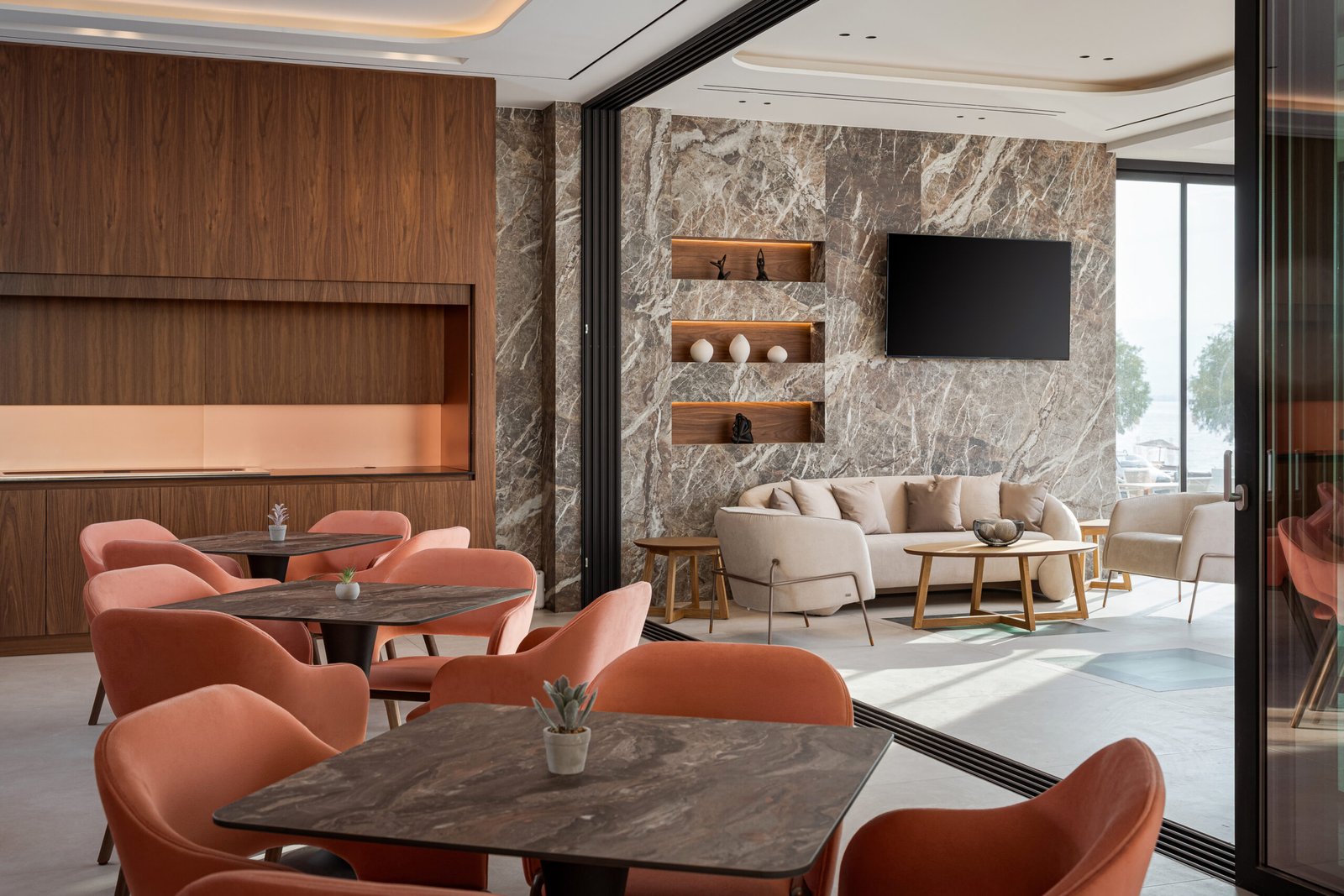
Morning frames are well suited to showing architectural clarity. Lines, surfaces and views have space to breathe. Before each frame, furniture and textiles are placed with care so natural light remains the central element.
The image does not need to illuminate everything evenly. Controlled contrast gives depth and shows how the space actually unfolds.
Moving towards twilight
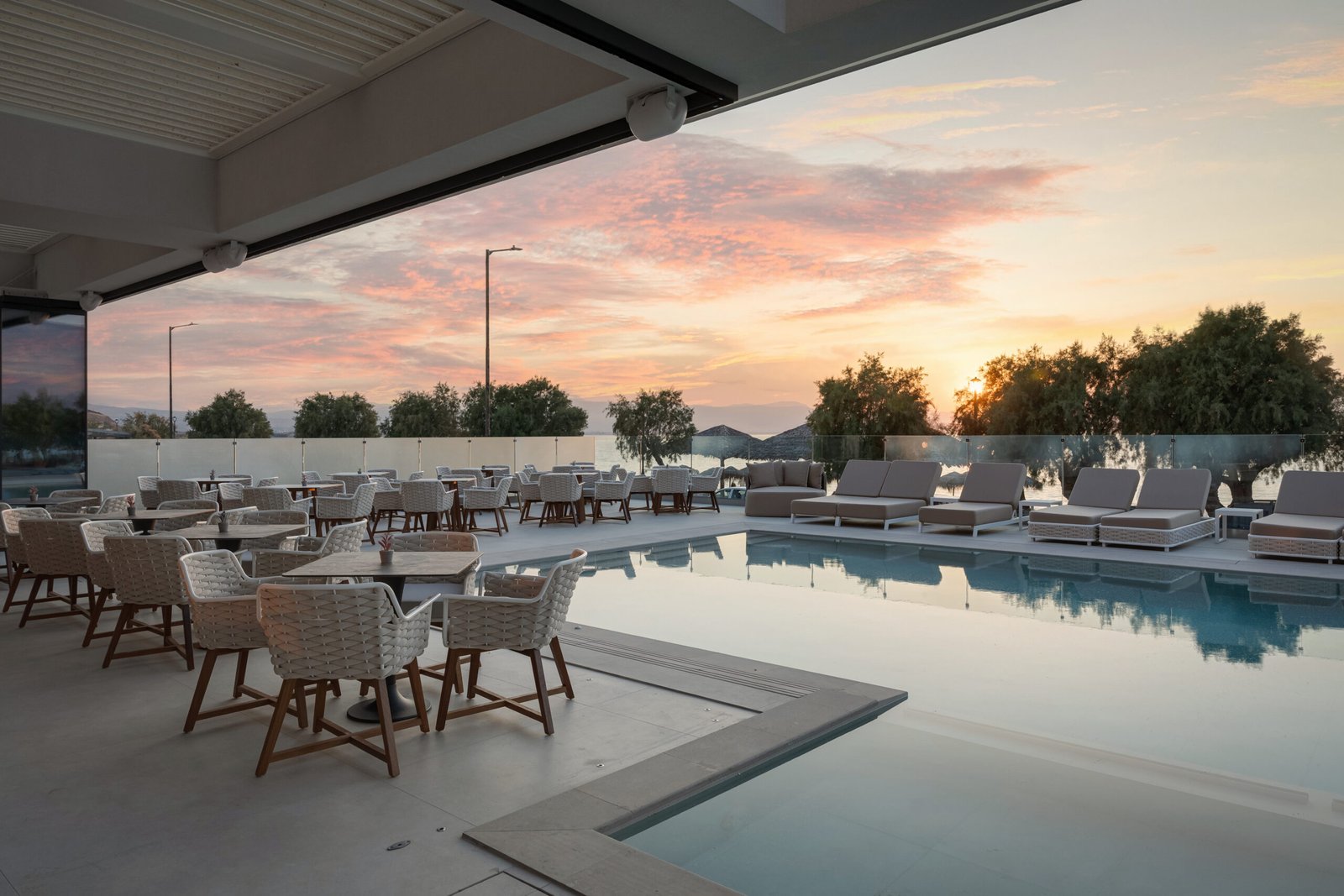
As the day moves on, exterior light softens and the hotel’s practical lighting takes its place. This is a short but important window. The frame needs enough information in the sky while the rooms begin to carry their own warmth.
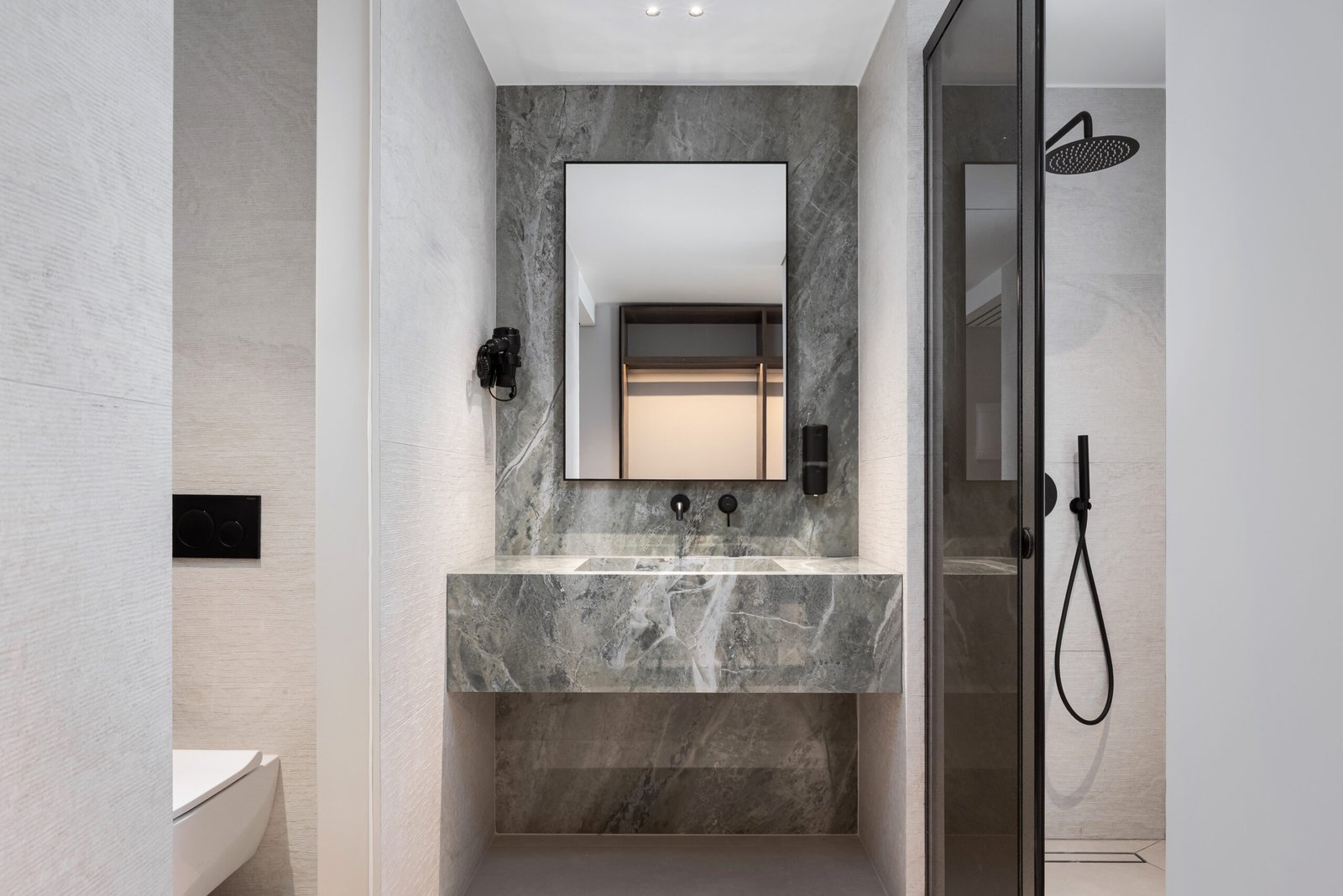
At twilight, the aim is not a special effect. It is balance between landscape, openings and the lights within the space. The image should hold the atmosphere without moving away from the real experience.
One story, not two different hotels
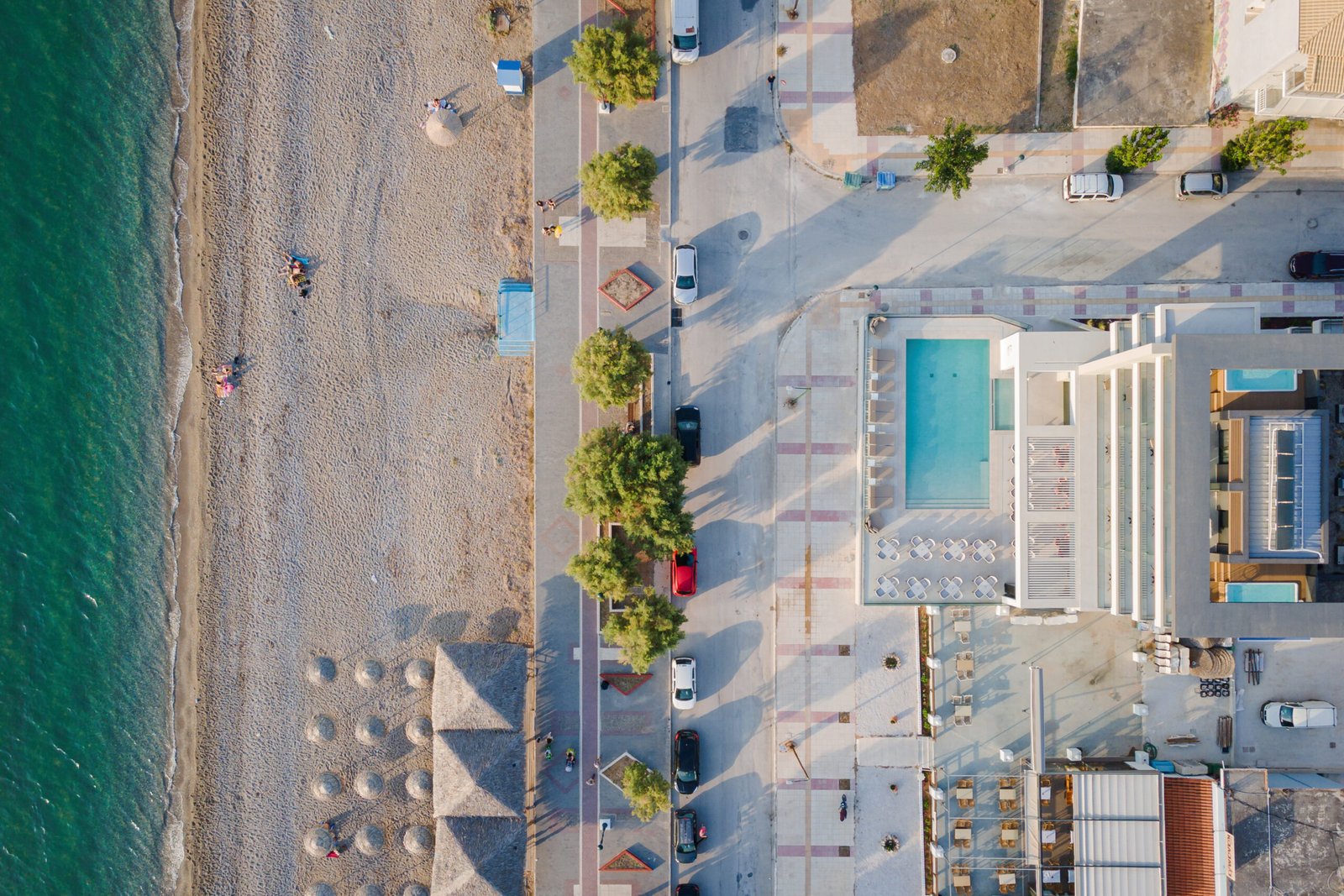
Daylight and twilight frames should belong to the same set. Colour consistency, careful vertical correction and a steady compositional logic help the viewer move from a room to an exterior without losing the hotel’s identity.
When the shoot is organised around the light, every image has a clear reason to exist. The result feels fuller without needing to become louder or longer.
