What Shapes a Property Photography Proposal
A useful proposal starts with the property, the brief and the way the images will be used.
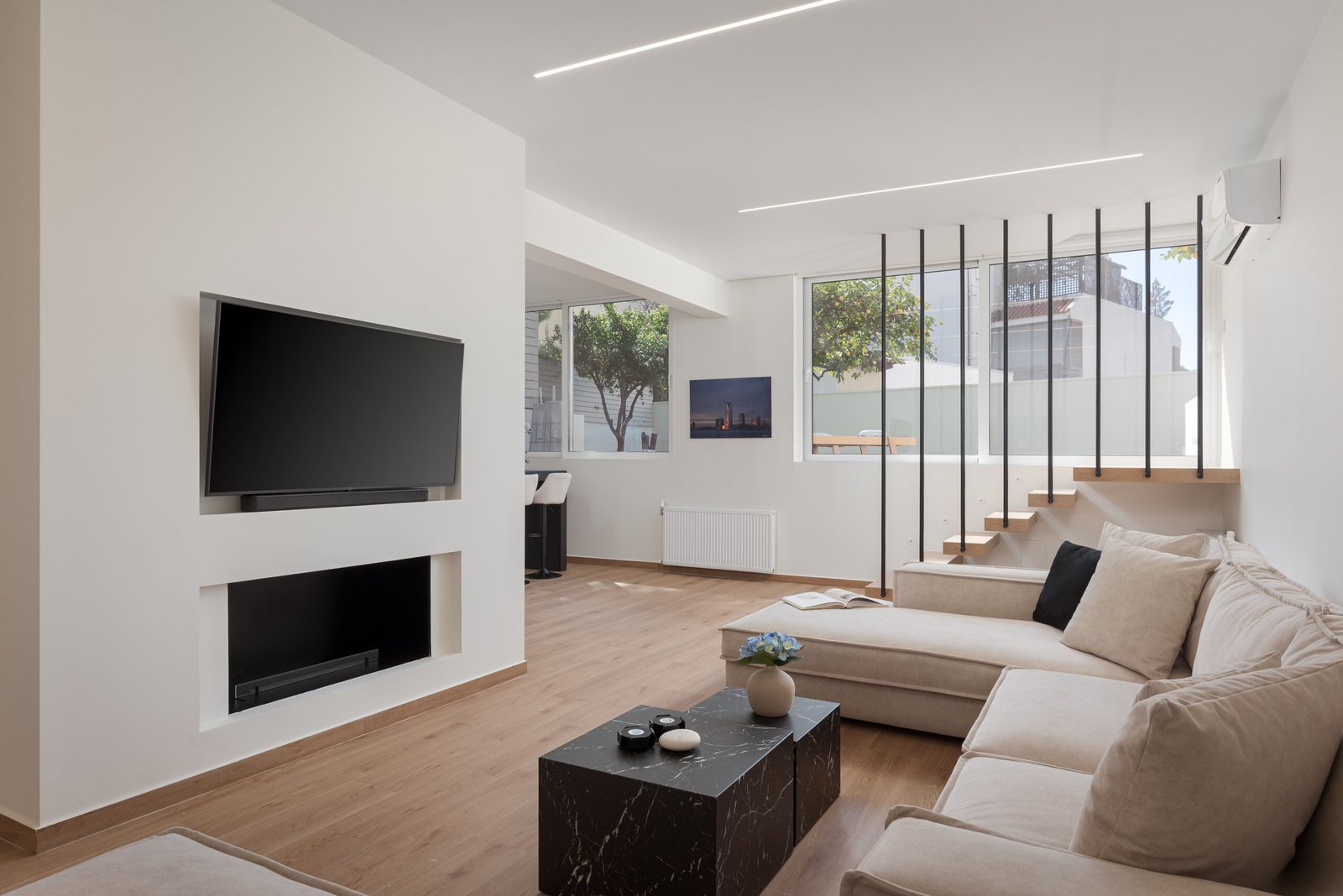
Every property has a different rhythm, scale and presentation need. That is why a shoot cannot be described only by a number of images. The useful conversation starts with what the viewer needs to understand and where the finished material will be used.
The property and the intention
A city apartment, a villa with outdoor spaces and a small hotel need different forms of planning. The condition of the property, access, view, natural light and the presence of guests all affect how the day should be organised.
It helps to clarify whether the priority is architecture, hospitality, a short-stay listing or a set of images for several channels. The same frame may be right for a case study and less useful as the opening image of a listing.
Production planning
Time of day, weather and the need for exterior or aerial frames should be considered before the shoot. Twilight, for example, is a defined window that needs to be protected in the schedule. Preparation leaves room for observation instead of filling the day with rushed frames.
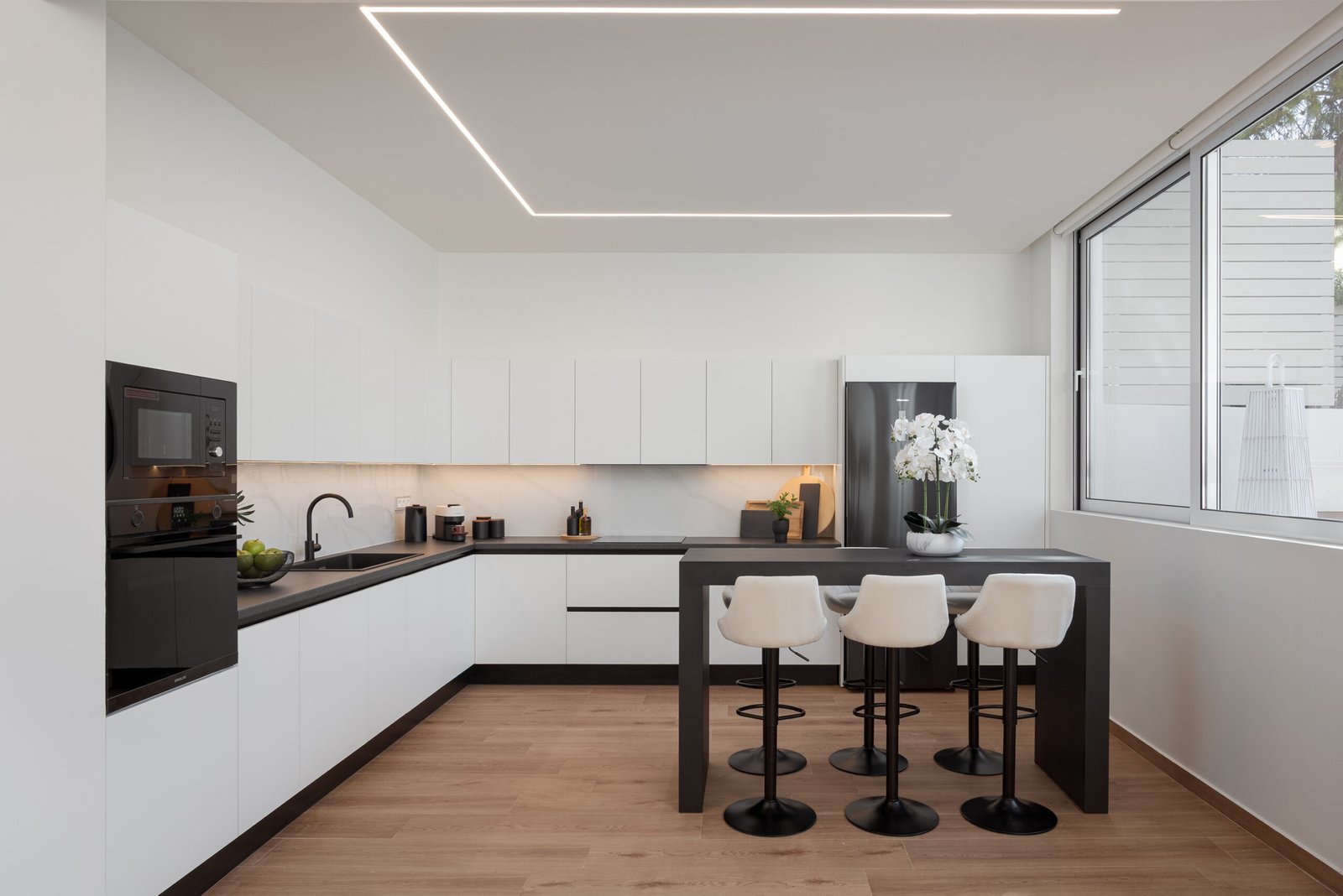
The same applies to rooms and shared areas. A clear list of priorities helps the whole property read consistently, without repetition and without losing time on images that do not serve the brief.
What should be clear
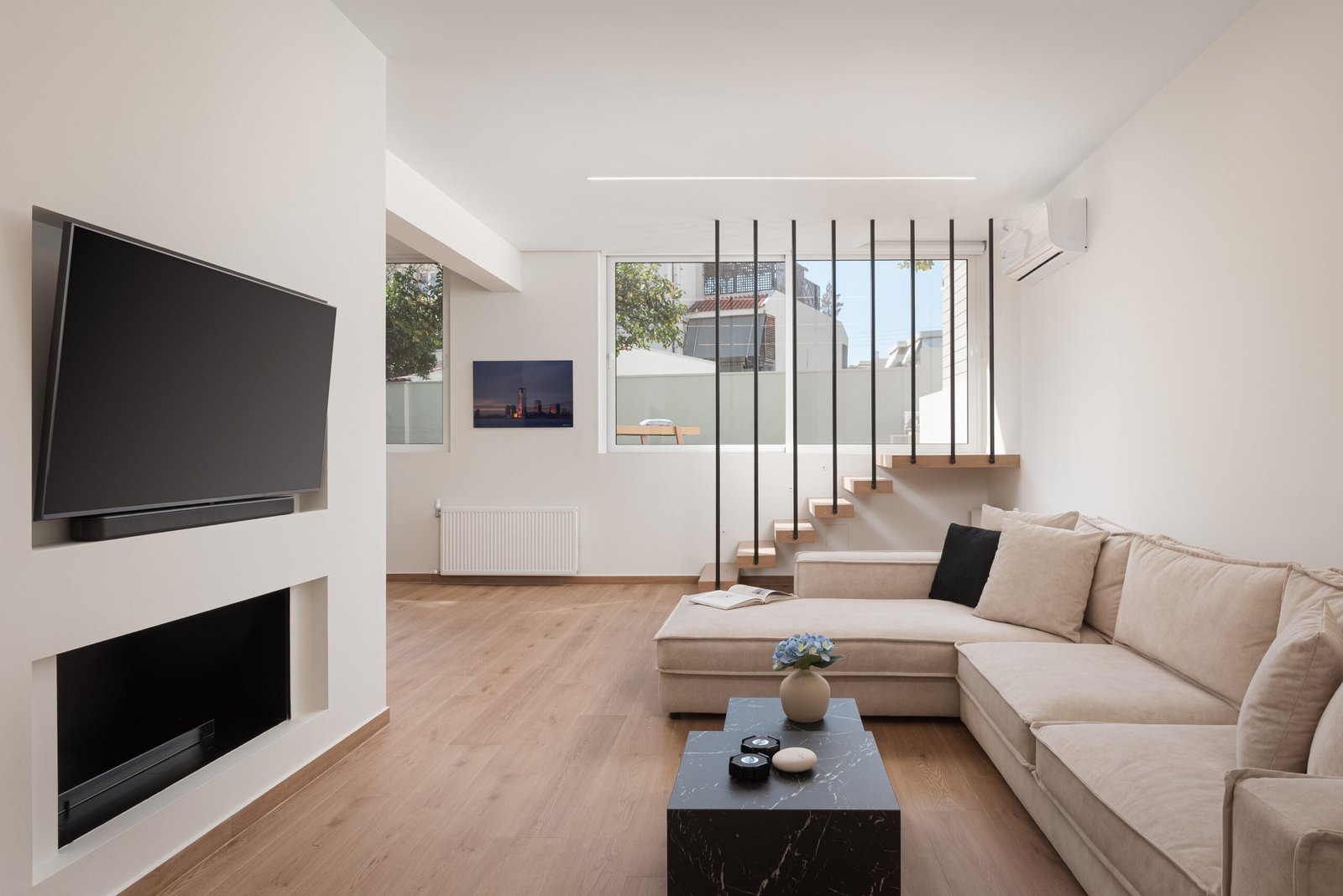
Before the collaboration begins, the scope, core deliverables, production timing and usage rights should be understood. That clarity protects both sides and lets the creative work remain the focus.
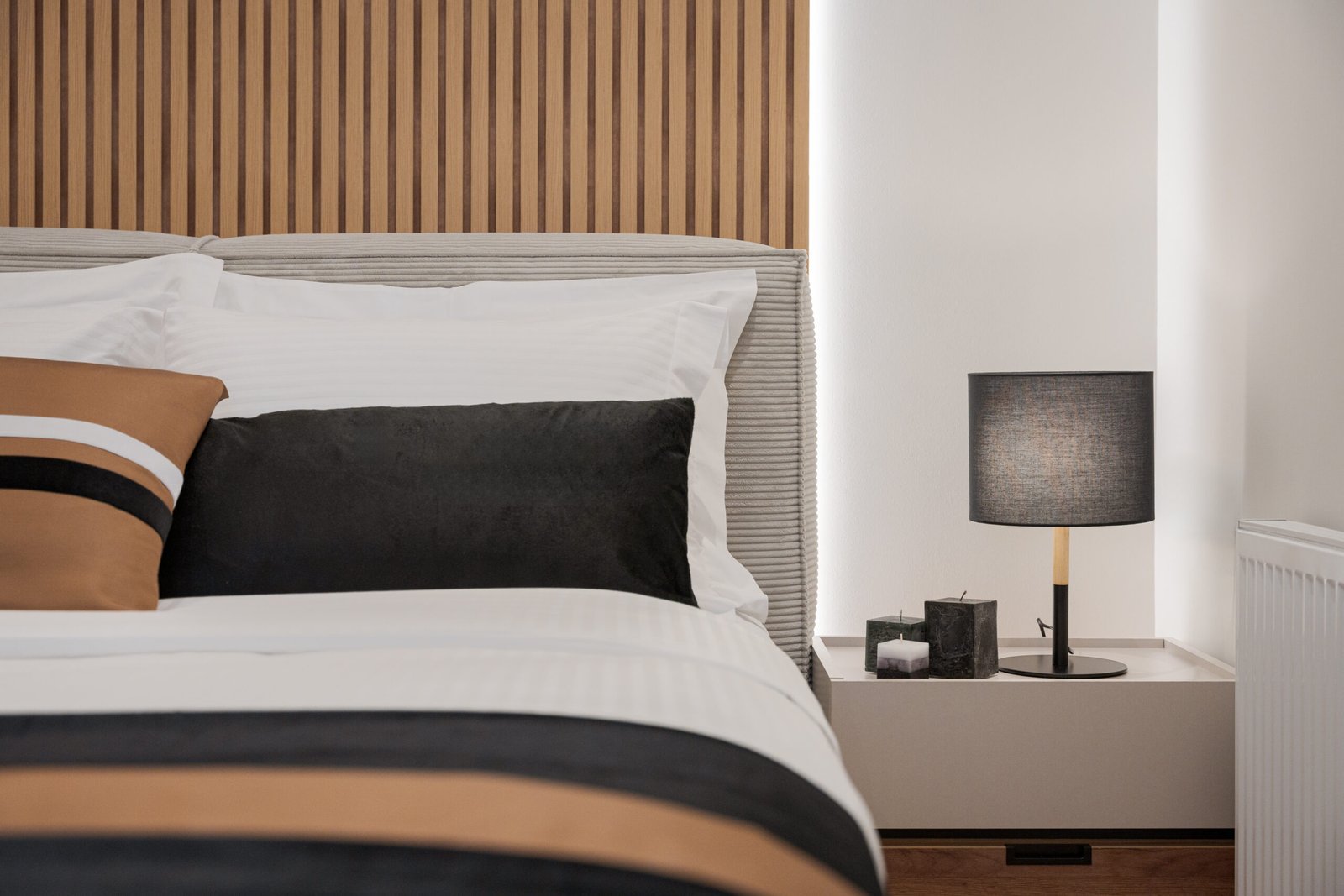
A useful proposal is not a generic service description. It is a concise translation of the property’s needs into a photographic production with a clear direction.
