Architectural Photography Is More Than a Wide-Angle View
A strong image does more than record a room. It makes the relationship between form, material, light and human scale immediately understood.
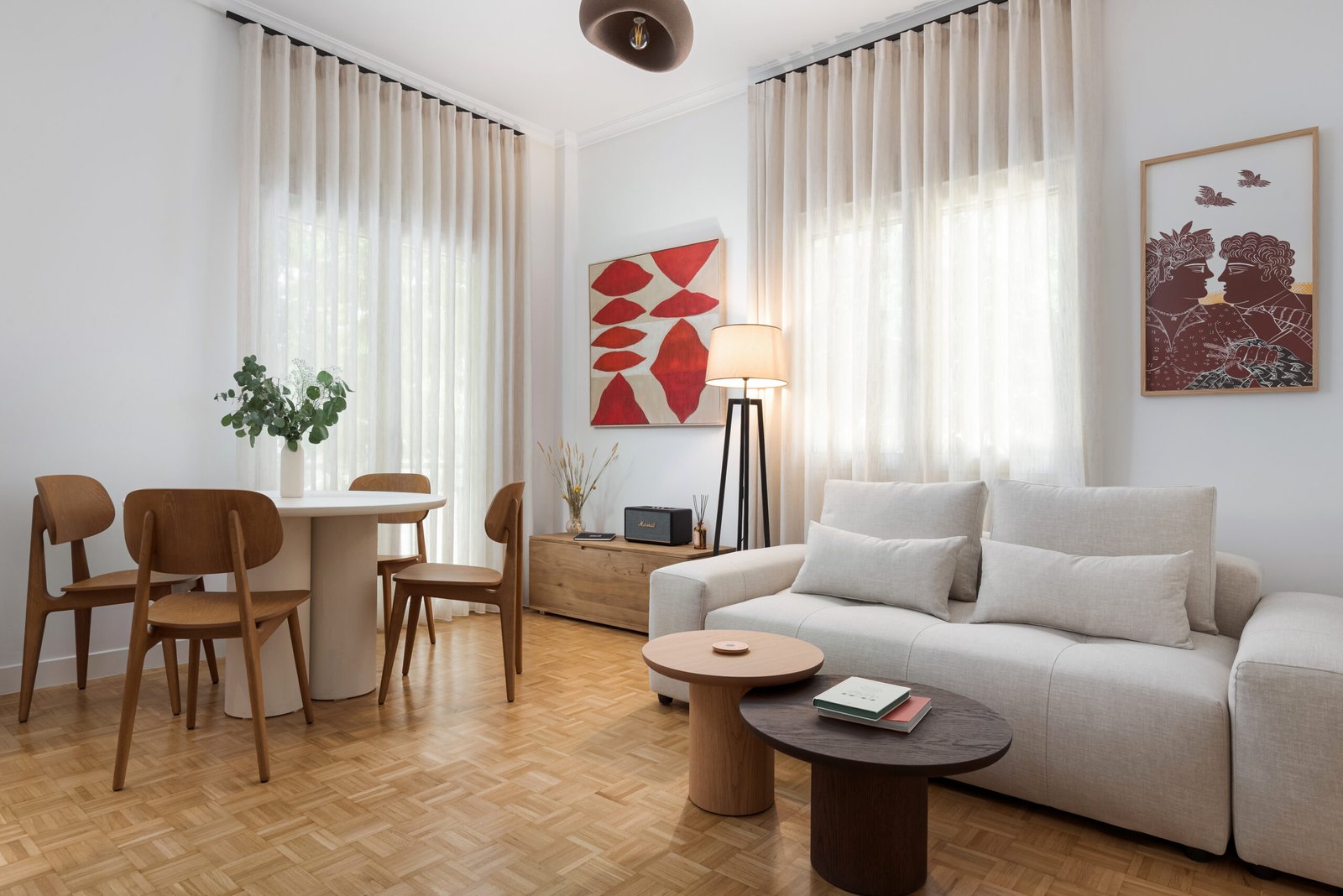
A wide-angle frame is useful, but it is not enough to describe a space. It can fit more into the image while leaving out what makes the architecture recognisable: proportion, movement, texture and the way light enters the room.
The frame is a decision
In an apartment or hospitality space, the first question is what the viewer needs to understand. Is it the connection between two rooms? The relationship between an opening and the landscape? The material quality of a surface as the day changes? The camera cannot answer everything at once. The work is to choose the right question.
That means camera position matters more than fitting the entire room into the frame. Sometimes the clearest view is made one step closer. At other times, leaving quiet space in the composition is what allows scale and atmosphere to register.
Form, material and light
Architectural photography needs time to observe. Natural light reveals the relief of a wall, changes the character of timber and gives depth to a restrained composition. Processing can bring a set together; it cannot create a convincing direction of light where none exists.
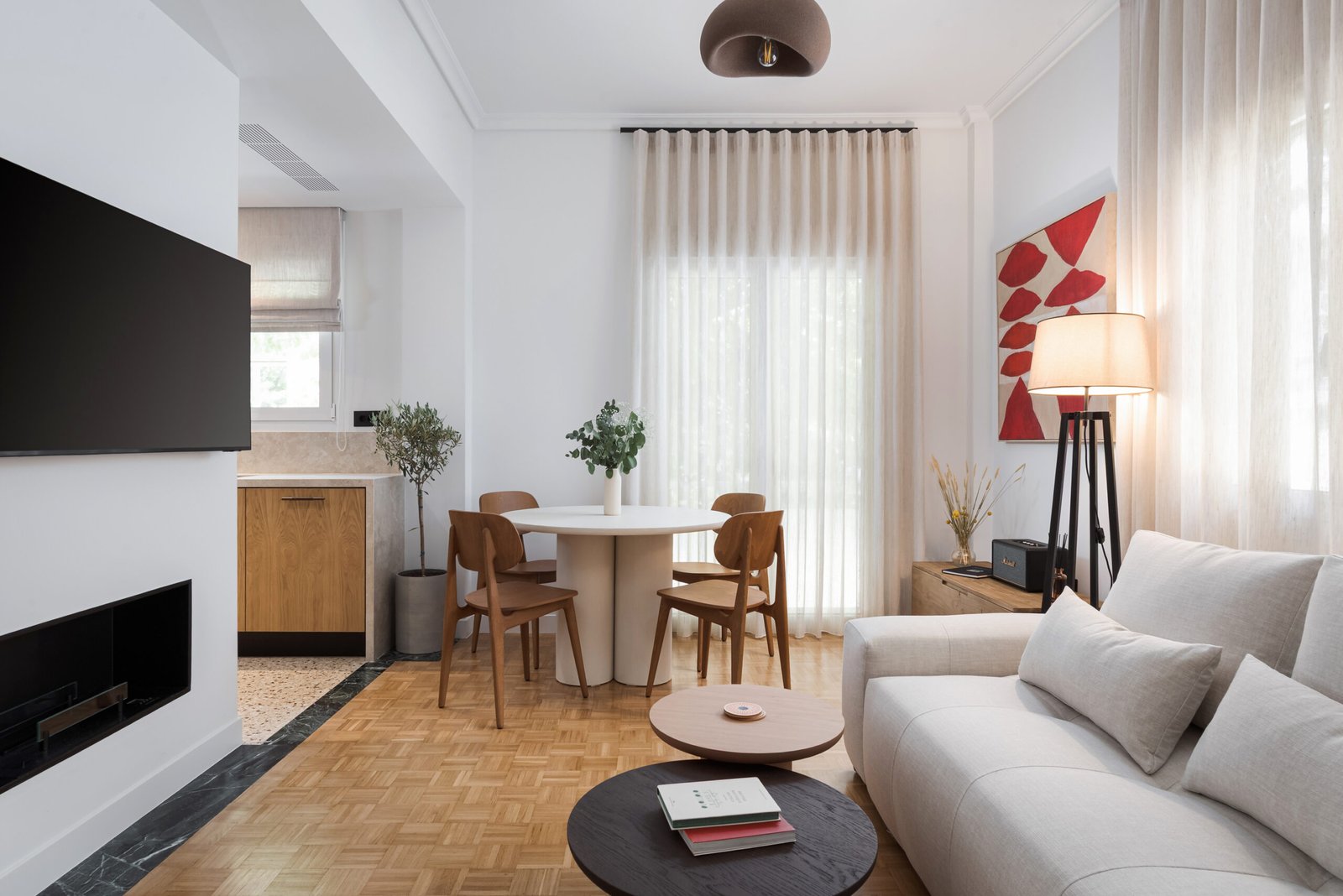
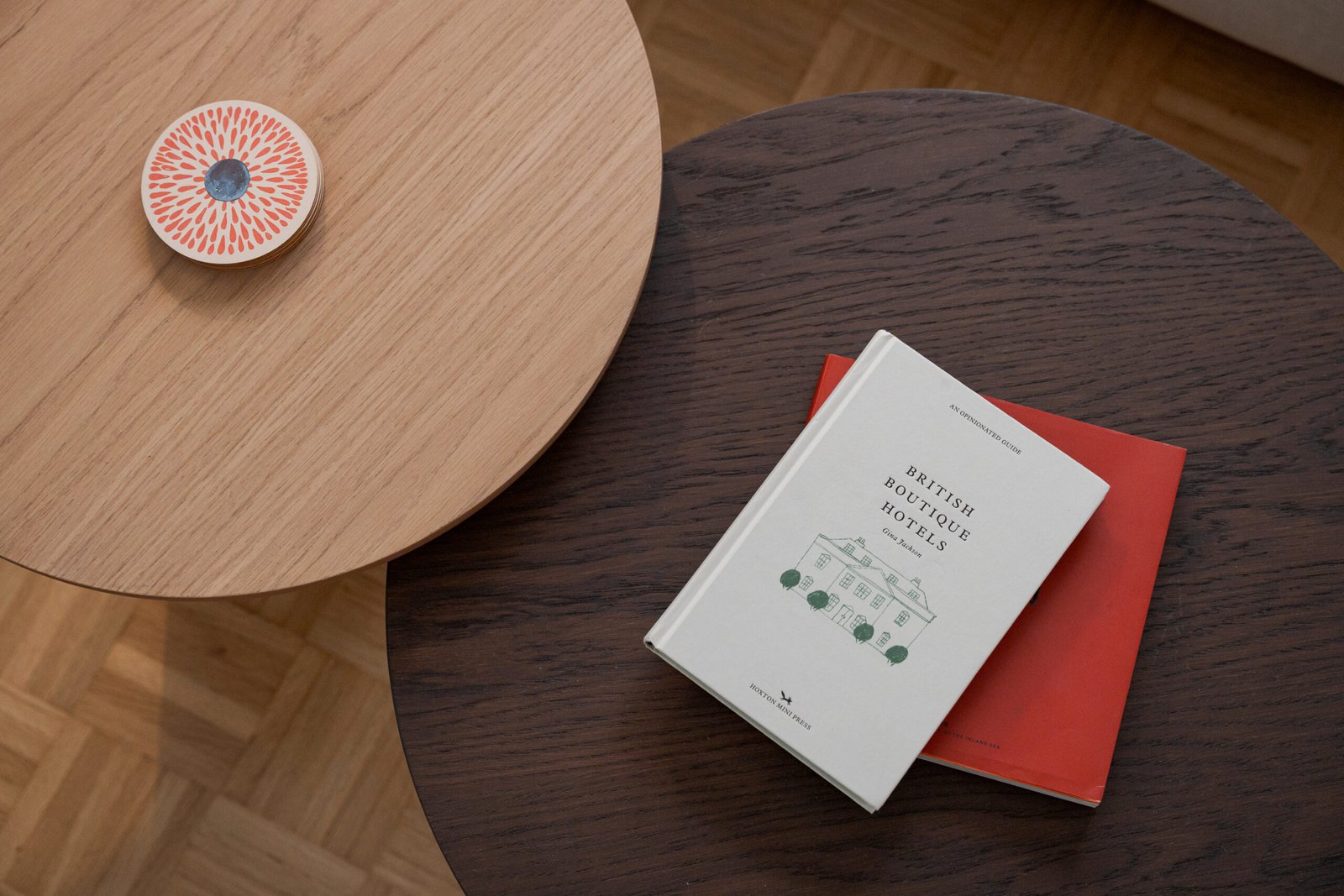
In interiors, objects act as points of reference. The frame does not need to be full. A table, a chair or a line of shadow can establish scale and help the viewer imagine how the space is lived in.
The sequence matters
A project is not made by one successful image. The sequence should guide the eye: from the whole to the detail, from inside to outside, from material to atmosphere. That is what turns a shoot into an editorial story rather than a record.
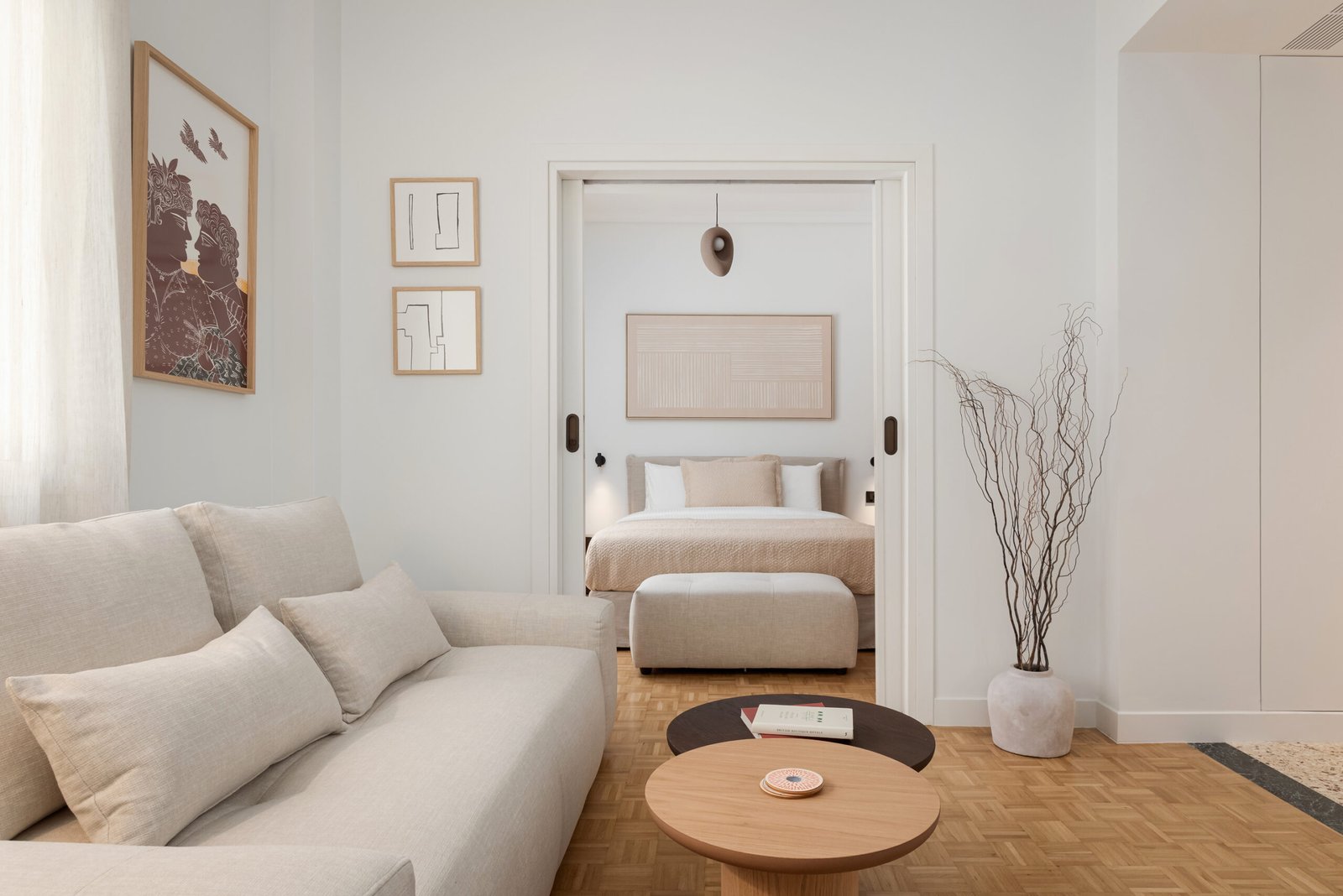
The aim is to keep the architecture in the foreground. The image should be precise, but open enough for the viewer to understand what it might feel like to stand inside the space.